

Poison Path
Following the Subtle Path

Last week I strolled through the pollen filled air of London Fields with my mind set on one thing. One book, that pervaded my thoughts while attending a birthday picnic.
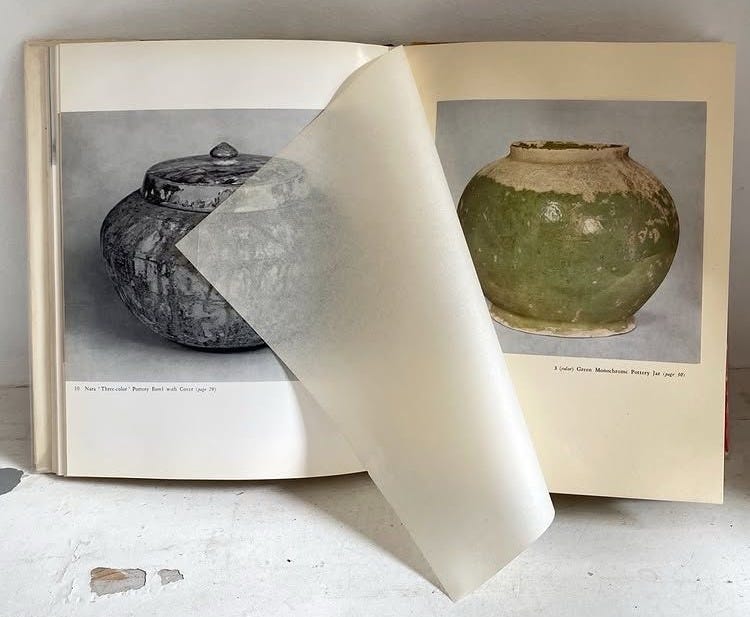
Borough Market was busy and I walked past the oysters on ice and the brine smell of the sea, to enter into my favourite sanctuary within it’s core — a specific bookstore.
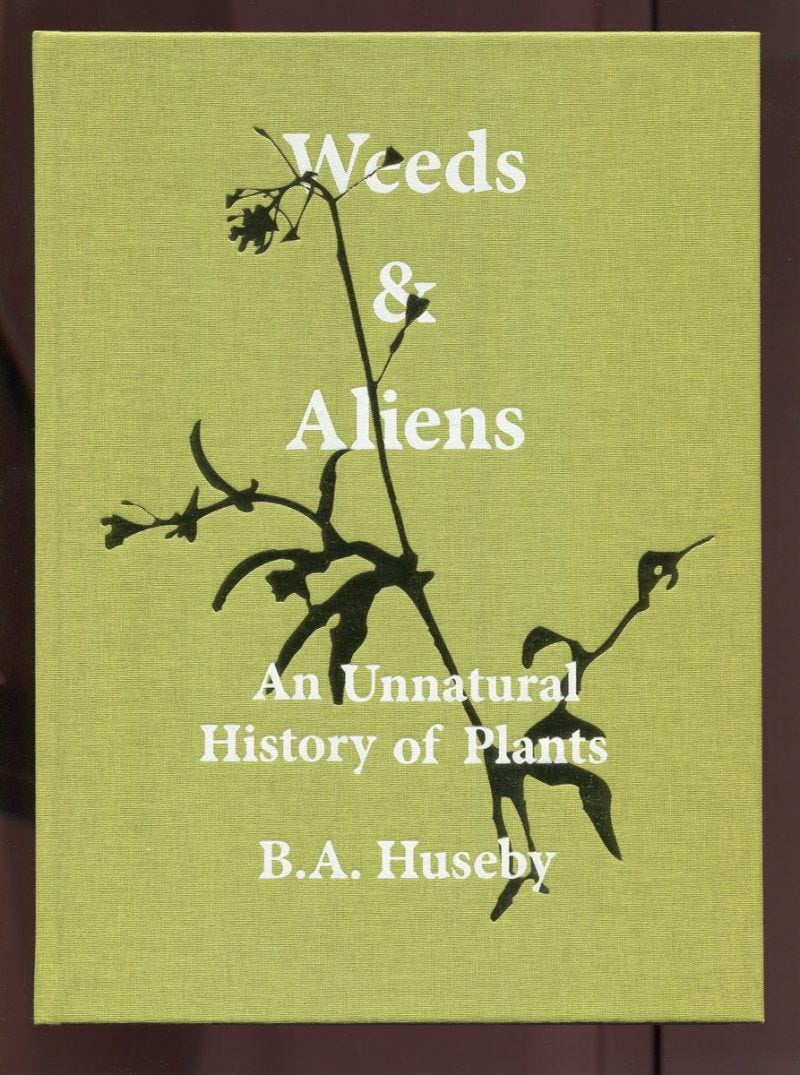
Upon entering, I moved towards a few books. One on growing peyote, another on Rudolph Steiner, Dieter Rams, and then there, in what felt like an apothecary section, I found the book on the poison path.

For whatever reason, this book tickled in me. Perhaps it is the nicotiana and datura, that the book goes into depth on. Like fragrant strangers, this plant is. native to the southern counterparts of our American continent.
To my surprise years ago, it began to grow abundantly in our greenhouse on a small island in Western Canada.
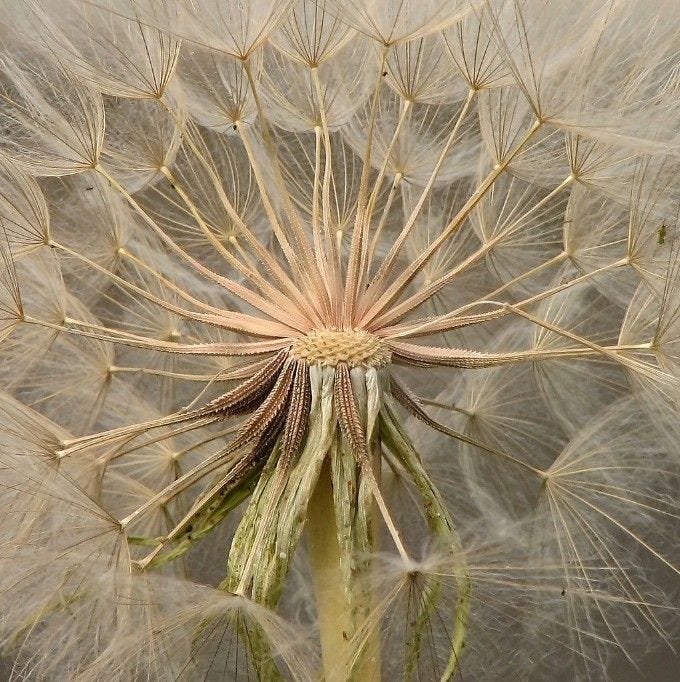
This was the plant that I believed pushed me towards creating plant medicine.
Instead of me seeking it out, it pursued my attention.
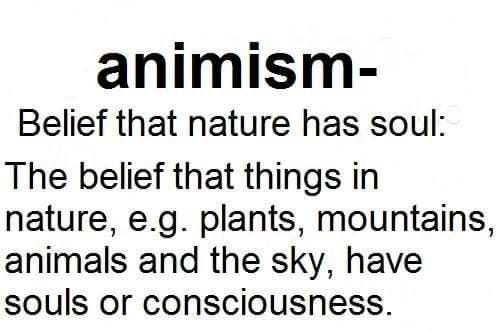
The book explores ethnobotany and animism.
That things like rocks, rivers, seeds, and nasturtium, that there might be something - indeed there is something? - in them communicating, or desiring too!
Even if the “language” is energetic and obscure.
I was first introduced to this idea in a Michael Pollan’s book ‘Botany of Desire’, where he explained the origins and history of four highly commercialized plants; tulips, apples, tomatoes, and marijuana. I read this in my early twenties
While visiting Isamu Nogucci’s garden and learning that his spirit was said to live in a gigantic egg sized rock on the hillside. I went and prayed to it and Isamu, as they had suggested. I felt something there, amongst the quarries and finely carved stone. He wished to live in this rock they had said, and why couldn’t he?
Different threads that read the same: there is intelligence in the stone and the weed. We are slow to experience it, like when I try to have a conversation in french, those who are fluent grimace. It is easy to make the assumption about something that has to be received slowly.
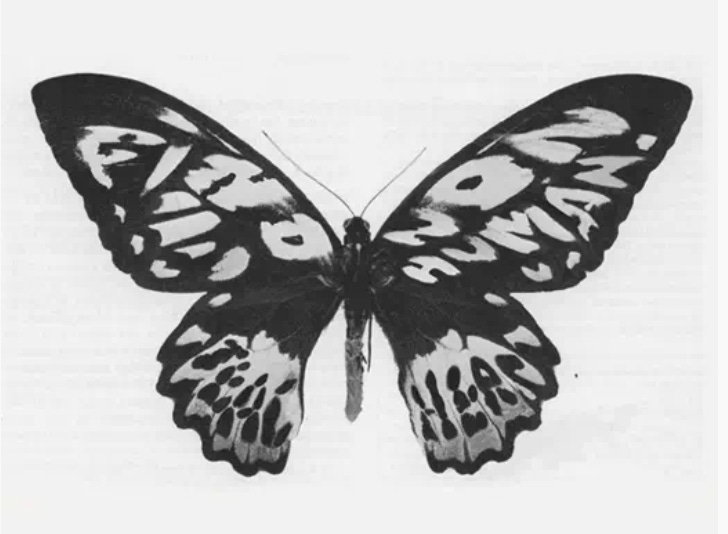
Like imagine the conversations you could be having in depth if you were totally comfortable and completely fluent.
Reaching this experience takes time.
We are impatient creatures, but our plant relations are the opposite.